Friendship and knowing each other
Gottman found that the strongest couples have a deep knowledge of each other’s inner world. Their hopes, fears, history and daily life. This is what Gottman calls building love maps.



Most couples arrive knowing what the problem is. They have talked about it countless times. What they do not have is a way to actually change it. The Gottman Method gives you that. Not insight alone. A map, tools and a clear direction for how to build something that lasts.
Developed by Drs John and Julie Gottman over 40 years of research with thousands of couples, the Gottman Method is one of the most evidence-based approaches to couples therapy in the world. It is used here as part of an integrated approach alongside RLT and IFS.

The Gottman Method is not based on intuition or theory alone. It is grounded in decades of observational research with thousands of couples across all backgrounds. Gottman identified the precise behaviours that damage relationships and the precise conditions that make them thrive. That research became a clinical framework. Used here as part of an integrated approach alongside RLT and IFS, Gottman brings structure, clear tools and a research-backed map for how couples can build something that holds.
Gottman found that the strongest couples have a deep knowledge of each other’s inner world. Their hopes, fears, history and daily life. This is what Gottman calls building love maps.
69% of couples’ conflicts are perpetual: they will never fully go away. Gottman’s insight is that the goal is not to resolve them. It is to manage them without contempt or distance.
Lasting relationships are built on more than conflict management. They are built on rituals, shared goals and a sense of purpose that both partners feel part of.
Gottman identified four communication patterns that predict relationship breakdown with remarkable accuracy. Knowing them is the first step to changing them.
Gottman is particularly useful when couples need a clear framework, concrete tools and a shared language for what is happening between them.
High achievers respond well to structure and evidence. Gottman gives them both. Rather than feeling like they are sitting in an abstract conversation about feelings, couples using Gottman have a clear map of their relationship, concrete tools they can practise and a shared vocabulary for what is going wrong and how to change it. For analytical, results-oriented people, this is often what makes the work feel real.
One of the most extensively researched couples therapy methods in the world
Gottman could predict divorce with over 90% accuracy by observing couples’ conflict patterns, a finding that became the foundation of the entire method.
A 2024 randomised controlled trial found Gottman Method Couples Therapy was significantly more effective than standard approaches for affair recovery, with improvements in trust, conflict management and relationship satisfaction.
A study with 490 couples found the Gottman Seven Principles program improved relationship quality significantly, with results equally strong whether delivered in person or online.
Research consistently shows Gottman therapy improves marital adjustment, reduces emotional distance and increases intimacy, with effects maintained at follow-up.
Gottman is used within couples intensives alongside RLT and IFS. It brings structure, shared vocabulary and concrete tools that complement the deeper relational and parts work.
Exploration and Deepening therapy intensives
Learn moreStructure and depth in the same room
Learn moreTools and parts work combined
Learn moreImmersive couples work in Bali
Learn moreTwo books worth reading. Three podcasts worth listening to.
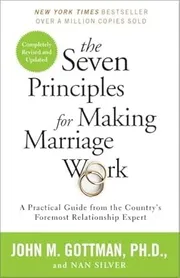
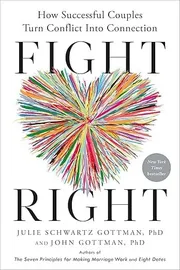
Brené Brown with Drs John and Julie Gottman, founders of the Gottman Method
Dan Harris with Drs John and Julie Gottman, founders of the Gottman Method
Steven Bartlett with Drs John and Julie Gottman, founders of the Gottman Method
Gottman’s research identified four communication patterns that predict relationship breakdown with remarkable accuracy: criticism, contempt, defensiveness, and stonewalling. Knowing which of these are present in your dynamic is the first step to changing them. Each has a specific antidote. The work involves recognising the pattern as it happens and learning to shift it in real time.
Yes. Emotional distance is one of Gottman’s core areas. His research found that lasting relationships are built on deep friendship and knowledge of each other’s inner world, not just the absence of conflict. If closeness has quietly slipped away, Gottman’s framework for rebuilding that foundation is where a significant part of the work happens.
In the intensive format used here, couples often begin to see a shift in the first concentrated block of work. Gottman’s framework gives you a clear map and concrete tools from the start, so you leave with more than insight. That said, change in a relationship is a process. The follow-up session included in the Deepening intensive helps consolidate what has shifted and identify what still needs work.
Yes. Gottman has developed specific protocols for affair recovery and research published in 2024 found that Gottman Method therapy was significantly more effective than standard approaches for rebuilding trust, managing conflict, and restoring relationship satisfaction after infidelity. It is used here alongside RLT for the deeper work underneath.
The Sound Relationship House is Gottman’s framework for what makes relationships thrive, built on levels from friendship and trust through to shared meaning and vision. It is not a lecture. It becomes a shared vocabulary for understanding where your relationship is strong and where it needs attention. Most couples find it clarifying rather than clinical.
Both partners need to be present and willing to engage honestly. Equal enthusiasm at the start is not required. It is common for one partner to be more reluctant initially. What matters is that both are in the room and willing to look at their own part in the dynamic, not just the other person’s.
A free 15-minute conversation. No commitment, no pressure. Just enough time to feel if this feels right.
Book Free Consultation